PORTFOLIO // SIGNAL FEEDCHANNEL · 2025-DSGN-ARCHIVE
2025 Design Journey Archive
Two missions, two domains, one operating discipline. Autonomous defense systems where misreading a sensor ends in wreckage. Civil aviation stations where misreading a customer ends in a viral complaint. Different stakes, same architecture — judgment under pressure, built before the pressure arrives.
OPERATOR ED REIFDISCIPLINE INSTRUCTIONAL SYSTEMSRANGE DEFENSE → AVIATIONSTATUS DEPLOYED
MISSION DECK / 02 ACTIVESORT · BY DOMAIN
MISSION / 01 / FURY-Q44-SAFETY-OPS● SIGNAL LOCK
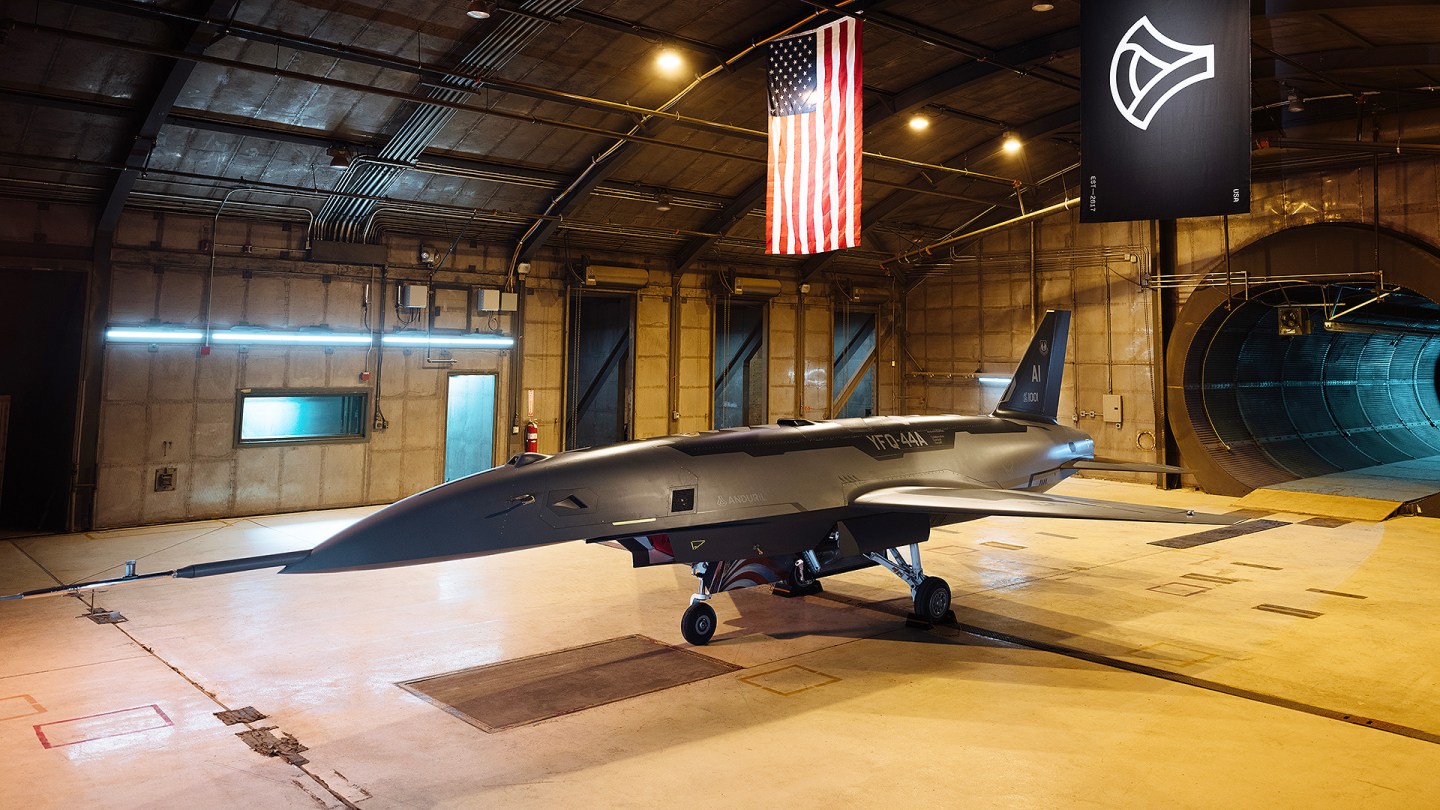
● DEFENSE · UNRESTRICTEDYFQ-44A · CCA
PLATFORM · ANDURIL
FURY Q44 — Advanced Safety Operations
Safety training for autonomous defense systems where the failure mode isn't a bad review — it's a destroyed asset and a destroyed crew. Built around real operational scenarios, emergency protocols, and the kind of simulation work that lets people get the first ten mistakes out of the way before the metal is in the air.
LEARNERSOperators · Maintainers
CYCLE16 WEEKS
AUTHORINGStoryline 360
DOMAINAUTONOMOUS DEFENSE
MISSION / 02 / ALLEGIANT-STN-CUSTOMER-OPS● SIGNAL LOCK
● CIVIL · DEPLOYEDRISE 360 · MULTI-DEVICE
CARRIER · ALLEGIANT
Excellence in Station Customer Service
Customer service training for the gate, the counter, the ramp — the surfaces where airline brand actually gets made or broken. Scenario-based, mobile-first, designed for people working real shifts in real terminals, not classrooms. The goal isn't to make agents friendlier. It's to make them faster at the right thing.
LEARNERSStations · Gate Agents
CYCLE14 WEEKS
AUTHORINGRise 360 · Storyline
DOMAINCIVIL AVIATION
DOSSIER // FURY-Q44-SAFETY-OPS
Anduril Industries · FURY Q44 Safety Training
Advancing defense capability through safety training for autonomous systems. Three phases — define the complexity, build the simulation layer, measure the mission readiness it produces.
PHASE 01 · CHALLENGE
Advanced Defense Systems Safety
Complex autonomous defense systems demand training that matches the consequence level. With FURY Q44, the system's own complexity is the first hazard — and the curriculum has to respect that before it teaches anything else.
TECHNOLOGY COMPLEXITY
FURY Q44 autonomous systems present unprecedented complexity requiring specialized safety protocols and operational procedures.
CRITICAL SAFETY REQUIREMENTS
Military-grade safety standards demanded comprehensive training to prevent incidents and ensure mission readiness.
MULTI-LEVEL PERSONNEL
Training had to accommodate skill levels from technicians through engineers through operational commanders.
PHASE 02 · SOLUTION
Comprehensive Safety Framework
Immersive safety modules built around real-world scenarios, emergency protocols, and hands-on simulation. Operators rehearse the worst day before they ever live it — that's the only honest definition of readiness.
SIMULATION-BASED LEARNING
High-fidelity simulations replicating real operational environments and emergency scenarios for safe rehearsal.
MULTI-MODAL TRAINING
VR experiences, interactive modules, and hands-on exercises mapped to the way different roles actually learn.
PROGRESSIVE CERTIFICATION
Tiered certification allowing personnel to advance through increasing levels of operational responsibility.
PHASE 03 · IMPACT
Enhanced Mission Readiness
100% safety compliance certification. Training time down 40%. Operational confidence up across every role. The framework is now portable to other Anduril autonomous platforms — built once, used many.
ZERO SAFETY INCIDENTS
Perfect safety record during initial deployment phases of trained personnel.
ACCELERATED READINESS
Reduced traditional training timelines while maintaining superior safety standards and operational competency.
CROSS-PLATFORM APPLICATION
Framework successfully adapted for other Anduril autonomous systems — scalable safety standards across the fleet.
Operations Briefing
SECTION // Q&A · ANDURIL INDUSTRIES
Defense technicians, engineers, operators, and maintenance personnel working with autonomous defense systems and advanced military technologies.
Safe and effective operation of FURY Q44 autonomous systems while maintaining mission readiness and zero safety incidents in high-stakes defense environments.
Direct collaboration with defense engineers, safety specialists, and operational commanders. Content was built from technical specifications, safety protocols, and field experience — not borrowed from a textbook.
Military-grade security compliance, DoD accessibility standards, and classified information handling protocols. Articulate Storyline 360 for interactive simulations with high-contrast, tactical-style interface design — built to be legible in the lighting conditions of actual operational spaces.
Challenge — Balancing detailed technical accuracy with security clearance requirements.
Learned — Bring security teams in at the design stage, not the review stage. Late security reviews kill timelines and water down accuracy. Early ones produce training that's compliant and uncompromised.
16-week accelerated development cycle to meet critical mission deployment requirements.
Delivered ahead of schedule with full security clearance and exceeded all safety certification requirements.
100% safety compliance, 40% reduction in training time, and personnel successfully prepared for deployment with zero safety incidents in initial operations.
DOSSIER // ALLEGIANT-STN-CUSTOMER-OPS
Allegiant Air · Stations Customer Service
Standardizing customer service excellence across distributed station operations without flattening the brand. Three phases — surface the inconsistency, build the scenario engine, measure what changed on the gate floor.
PHASE 01 · CHALLENGE
Service Consistency Across Stations
A distributed station network means a hundred different airports each interpreting the same service standard differently. The challenge wasn't training people to be kind — it was getting consistent judgment from people working under wildly different conditions.
BRAND CONSISTENCY
Ensuring the airline's service culture was delivered consistently across every airport location in the network.
OPERATIONAL COMPLEXITY
Balancing fast turnaround targets with exceptional customer service in high-pressure airport environments.
DIVERSE SITUATIONS
Training had to handle everything from routine check-ins through complex disruptions and special assistance needs.
PHASE 02 · SOLUTION
Interactive Service Training Platform
A scenario-driven training program that puts agents inside the situation before the situation finds them. Real customer interactions, real recovery moments, real choices — all delivered on devices the staff already carry.
SCENARIO-BASED LEARNING
Realistic customer interaction scenarios covering routine operations, delays, cancellations, and special services.
CULTURE INTEGRATION
Company values embedded throughout the modules so brand isn't a poster — it's a decision pattern.
MOBILE-RESPONSIVE DESIGN
Flexible training accessible across devices for varying shift schedules and station locations.
PHASE 03 · IMPACT
Elevated Customer Satisfaction
Customer satisfaction up 15%. Complaint resolution time down 30%. Confidence visibly higher across station personnel — not because they were told to be confident, but because they'd already practiced the difficult moments.
MEASURABLE IMPROVEMENT
Customer satisfaction metrics improved across all major stations within 90 days of implementation.
OPERATIONAL EFFICIENCY
Reduced complaint escalations and improved first-contact resolution rates through better-trained station personnel.
AGENT CONFIDENCE
Higher confidence and job satisfaction through comprehensive preparation for challenging service scenarios.
Operations Briefing
SECTION // Q&A · ALLEGIANT AIR
Customer service representatives, ground operations staff, gate agents, and supervisors across the airline's airport stations nationwide.
Standardize exceptional customer service across every station location while maintaining the airline's culture and improving customer satisfaction metrics.
Collaboration with station managers, customer service supervisors, and analysis of customer feedback data and service scenarios across multiple airport locations.
Brand guidelines, ADA accessibility compliance, and mobile-responsive design for varying devices. Rise 360 and Storyline 360 with the airline's signature palette and approachable interface design. Multilingual support for the diverse workforce.
Challenge — Capturing the airline's culture inside digital training while addressing the full range of operational scenarios.
Learned — Employee input and real customer scenarios were not nice-to-haves. They were the difference between training that gets clicked through and training that gets used at the counter.
14-week development cycle including pilot testing at select stations.
Delivered on schedule with successful pilot implementations and positive feedback from station personnel and customers.
Customer satisfaction surveys, service recovery metrics, complaint resolution times, and employee confidence assessments.
Customer satisfaction up 15%, complaint resolution time down 30%, and visibly higher employee confidence across all station operations.